
What to Consider When Choosing a Financial Advisor
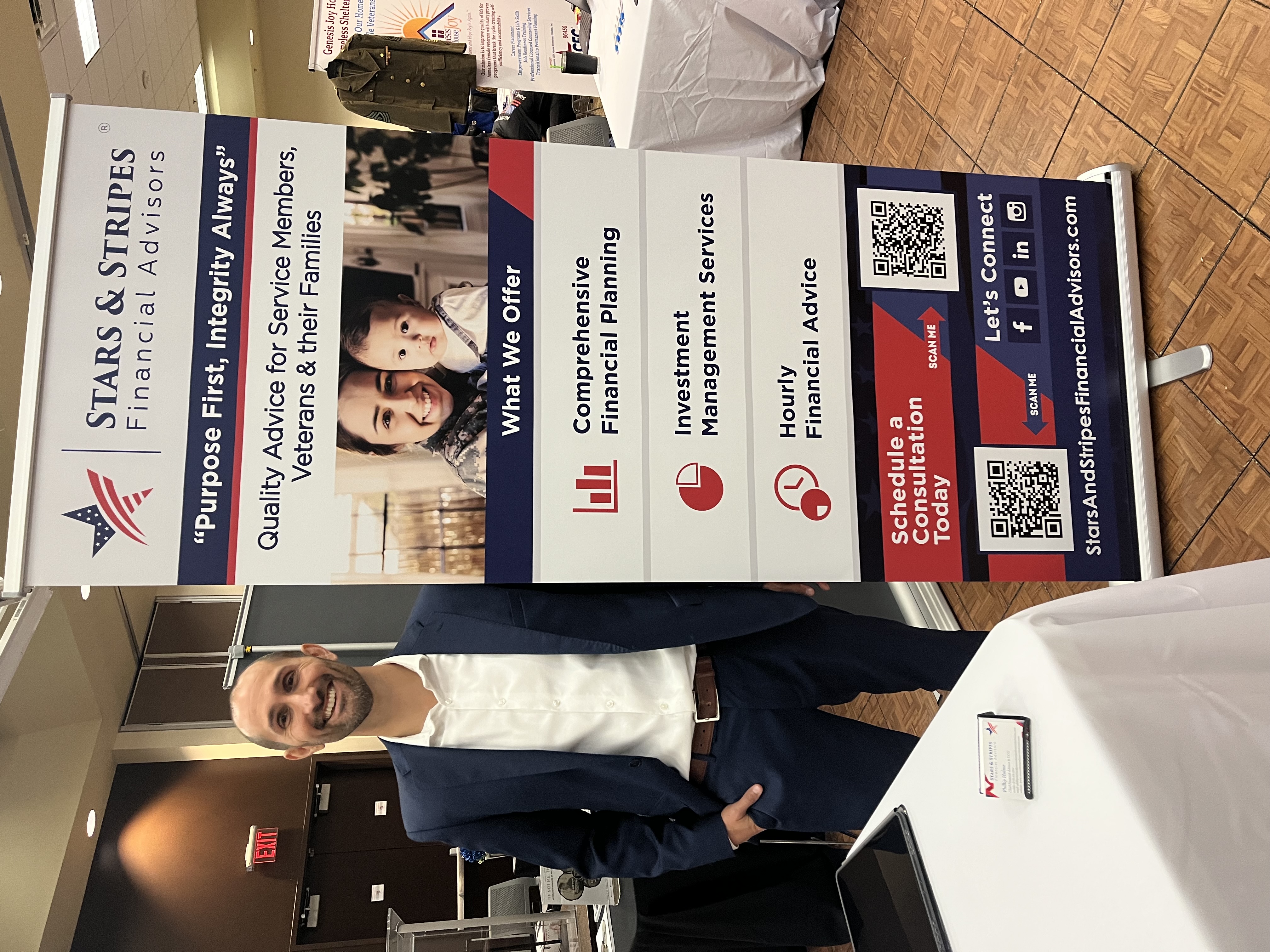
Selecting a financial advisor is a significant decision that impacts your long-term financial health. The intersection of federal benefits, military pensions, and private sector investments requires a specific type of technical proficiency. The military and veteran community deserves Integrity and competency.
This blog explores several critical factors you should evaluate when vetting a financial advisor.
The Fiduciary Standard
One critical consideration is whether the professional operates under the fiduciary standard. A fiduciary is legally obligated to act in the best interest of their clients at all times and resolve any conflicts of interest in their client’s favor. Many financial advisors are not held to this standard.

• Fiduciary vs. Suitability: Some advisors operate under a "suitability standard," meaning recommendations must only be "suitable" for the client at the time of the transaction. However, fiduciaries must disclose any potential conflicts of interest and prioritize client needs over commissions or kickbacks. A useful analogy is how chocolate bars are “suitable” for human consumption, but aren’t in your best interest. Do you want your financial advice to be suitable, or do you want your financial advice to be in your best interest?
• Verification: You may request a written "Fiduciary Oath" or review the firm’s Form ADV, which is filed with the Securities and Exchange Commission (SEC) or state regulators, to verify an advisor’s adherence to the fiduciary standard. There are also organizations that require their members to be fiduciaries. A few of these organizations include NAPFA (National Association of Personal Financial Advisors), the CFP Board (anyone with the CFP designation), and the IAA (Investment Adviser Association).

Military & Veteran Specific Technical Competency
For the military and veteran community, generalized financial knowledge may be insufficient. Specific military benefits require specialized knowledge and integration into a comprehensive financial plan. Potential areas of inquiry include how familiar a financial advisor is with:
• The Blended Retirement System (BRS) or the Legacy High-3 system: Does the advisor understand the difference and how to plan for each?
• Thrift Savings Plan (TSP) Optimization: Understanding the nuances between the G, F, C, S, and I funds, as well as the implications of Traditional vs. Roth contributions and the new in-plan conversion options.
• Survivor Benefit Plan (SBP): Analyzing the cost-benefit of SBP participation versus private life insurance alternatives.
• VA Disability and Tax Implications: Knowledge of how VA disability ratings affect taxable income, pension income and eligibility for specific state-level tax exemptions.
• Post-9/11 GI Bill Transferability: Assisting with the strategic timing of benefit transfers to dependents to maximize educational assistance.
Understanding Compensation Models
Transparency in how a financial advisor is paid is a critical component of the vetting process. Compensation structures typically fall into three categories:
1. Fee-Only: The advisor is paid directly by the client (hourly, flat fee, or a percentage of Assets Under Management). No commissions are earned from product sales.
2. Fee-Based: The advisor charges a fee but may also earn commissions from insurance products or specific investment vehicles.
3. Commission-Based: The advisor is paid via sales loads or commissions from the products they sell.
Many military members and veterans lack access to financial advice. A significant portion of their income, or financial well being, comes from pensions, annuities or tax breaks instead of investment assets which don’t fit typical advisor fee models. Many financial advisors depend on being able to charge a percentage fee on the assets they manage, or getting a commission off the products they sell, so they choose not to serve our community. They are incentivized by some fee models to primarily act as sales people or investment managers – not financial advisors.
Regulatory and Professional Vetting
Before engagement, verifying the education and professional standing of an individual is a smart idea.
• Educational Attainment: Does the financial advisor hold a degree in finance, accounting or wealth management? Does the financial advisor have a college degree at all? Many people are surprised to learn that financial advisors are not required to have any specific educational attainment. They are not required to have a college degree, a GED or high school diploma.
• FINRA BrokerCheck: Utilize the FINRA BrokerCheck tool to view employment history, certifications, and any recorded disciplinary actions or "disclosures."
• Professional Designations: Look for rigorous certifications such as the Certified Financial Planner (CFP®), Chartered Financial Consultant (ChFC®), or Retirement Income Certified Professional (RICP®). These designations require extensive coursework, examinations, and adherence to ethical standards.
Alignment of Service Model
The complexity of a military career—characterized by frequent PCS moves and deployments—often necessitates a flexible service model.
• Technological Integration: Can the firm offers secure digital portals for document sharing and virtual meeting capabilities to accommodate geograph
ically dispersed clients.
• Frequency of Review: Determine the firm's protocol for account re-balancing and plan updates, for life events (e.g., promotion, separation, or retirement).


Comments